
Safety Barriers in UAE Infrastructure: An Engineering Guide
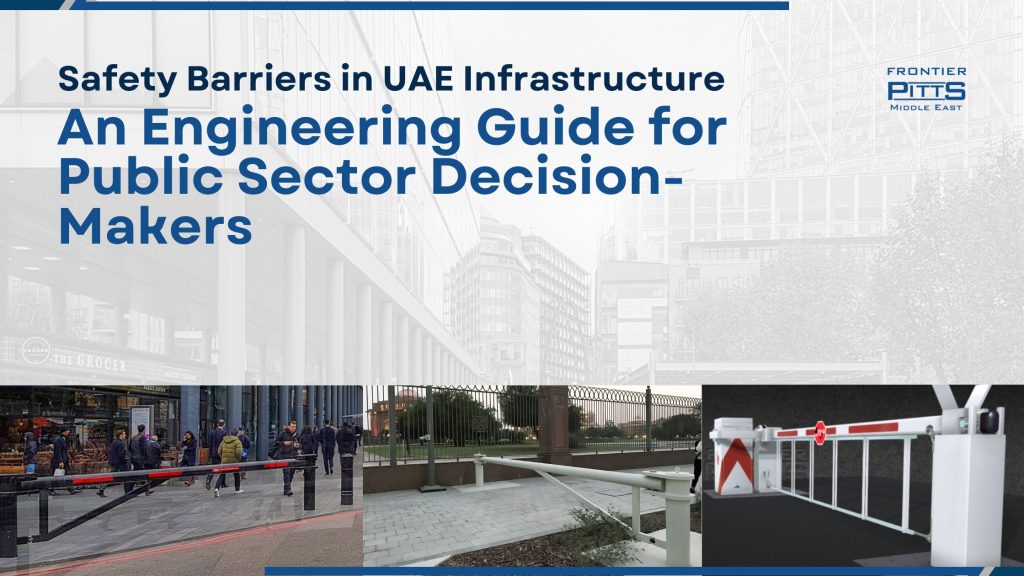
Safety barriers are engineered systems that reduce accident severity and protect critical infrastructure. As a barrier supplier in the UAE backed by Frontier Pitts’ UK engineering, we see how much careful barrier specification matters across the Gulf’s growing transport networks and public spaces.
Why the Gulf Region Needs a Different Conversation About Safety Barriers
We’ve been working as a barrier supplier in UAE and Saudi Arabia long enough to notice a pattern: many infrastructure projects treat barriers as procurement line items rather than safety-critical engineering decisions. This needs to change.
The numbers tell the story. The UAE and Saudi Arabia are investing over $500 billion combined in transport corridors, smart cities, and mixed-use developments. With this growth comes increased interaction between high-speed vehicles, pedestrian zones, and critical assets. Yet barrier specification often happens too late in the design process—sometimes as an afterthought during final site planning.
Our experience as a UAE barrier supplier has taught us that effective protection starts with understanding what safety barriers actually do, and why the Gulf’s unique conditions demand careful engineering rather than off-the-shelf solutions.
What Actually Is a Safety Barrier? (And What Isn’t One)
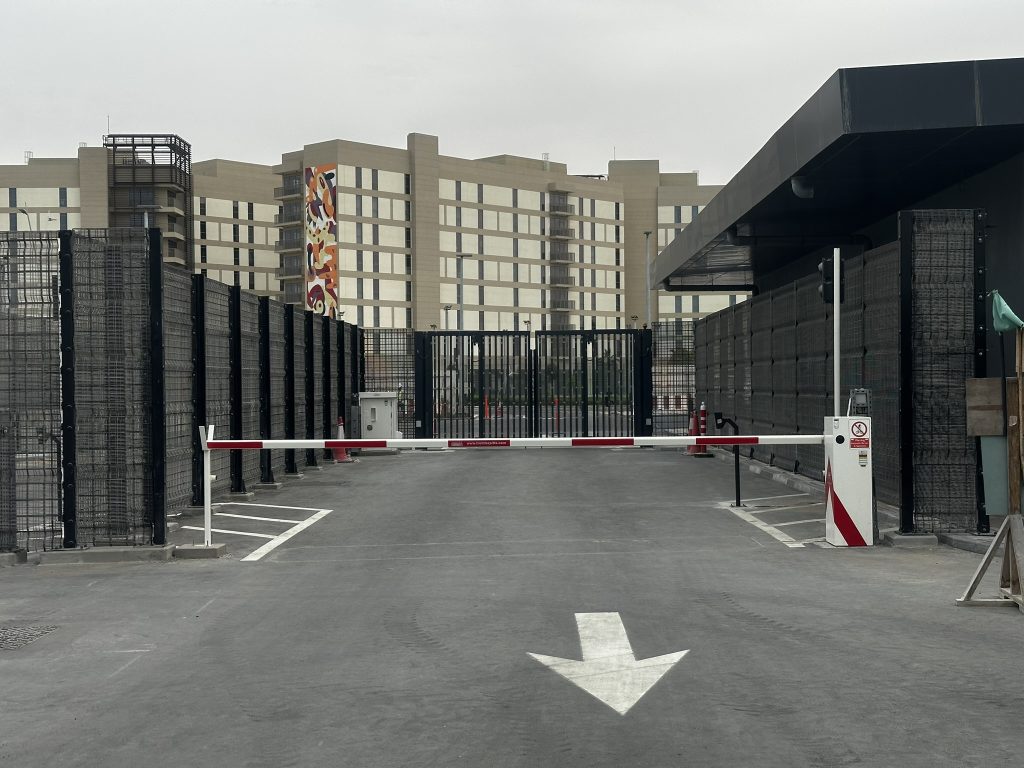
Let’s start with clarity. A safety barrier is a physical structure engineered to control vehicle movement and reduce impact consequences during accidents. Unlike paint, signage, or bollards, safety barriers provide measurable, predictable intervention when vehicles leave their intended path.
What We Design Safety Barriers to Do:
- Absorb kinetic energy during vehicle impacts
- Redirect vehicles back to safe trajectories
- Protect pedestrians in high-footfall environments
- Safeguard critical infrastructure from accidental collision
- Manage traffic flow at airports, ports, and transport hubs
As a gate barrier supplier in UAE, we see this distinction matter most in mixed-use developments where pedestrian safety intersects with vehicular access. The barrier’s job isn’t just to block—it’s to manage energy and consequences.
Safety Barriers vs. Security Barriers: Why the Distinction Matters
We’re often asked about the difference between safety and security barriers. The answer shapes everything from material selection to testing requirements.
| Consideration | Safety Barriers | Security Barriers |
|---|---|---|
| Primary Threat | Accidental vehicle loss of control | Deliberate hostile vehicle attacks |
| Design Priority | Energy absorption and redirection | Vehicle arrest and stopping power |
| Typical Applications | Highways, public promenades, parking areas | Government facilities, embassies, critical infrastructure |
| Testing Standards | Impact speed and deflection ratings | Crash-rated certification (PAS 68, ASTM) |
Many Gulf projects require both types, but specifying them correctly from the start prevents costly retrofits. As a Dubai barrier supplier working with government agencies, we’ve learned that this distinction often determines whether a facility can meet its security classification requirements.
Why Engineering Heritage Still Matters in 2026
Safety barrier performance is backed by controlled testing and real-world use. Road safety bodies such as the World Road Association (PIARC) and the World Health Organization publish guidance on how well-engineered roadside barriers reduce the severity of crashes.
But here’s what matters specifically for the Gulf:
Regional Performance Factors:
- Thermal stress: Summer temperatures exceeding 50°C affect material integrity
- Vehicle mix: Heavy commercial traffic creates different impact profiles than passenger vehicles
- High operating speeds: Gulf highways regularly see 120+ km/h traffic
- Rapid urbanization: Yesterday’s open roads become today’s pedestrian zones
As a barrier supplier in the UAE, we pay close attention to how these factors interact. Materials that perform well in European climates may not perform the same way in Gulf heat, sand and humidity. This is why regional testing and local engineering support matter.
Where Safety Barriers Deliver Measurable Public Value
The World Health Organization estimates 1.19 million annual road fatalities globally (WHO, 2024). While enforcement and driver education play crucial roles, physical infrastructure provides consistent protection regardless of human behavior.
From our work as a UAE barrier specialist across government and public sector projects, we’ve identified where barriers deliver the highest safety returns:
High-Priority Applications:
Urban Transport Corridors
Protecting pedestrian zones along busy arterials where vehicles share space with walking traffic
Highways and Expressways
Preventing median crossovers and off-road excursions in high-speed environments
Public Transit Hubs
Managing vehicle flow at airports, metro stations, and bus terminals where pedestrian density is highest
Critical Infrastructure Perimeters
Safeguarding utilities, water treatment facilities, and power stations from accidental vehicle impact
Mixed-Use Developments
Balancing aesthetic integration with safety requirements in commercial and residential zones
Each application requires different engineering approaches. What works on a highway doesn’t necessarily suit an urban plaza—and cost-cutting by using inappropriate barrier types often creates liability rather than savings.
How We Approach Barrier Specification Differently
Working as a gate barrier supplier in the UAE, we follow a specification approach that suits public sector clients:
Our Five-Step Approach:
1. Threat Assessment First
Understanding actual risks before selecting products—not the other way around
2. Lifecycle Performance Planning
Designing for 20+ year service life under Gulf environmental conditions
3. Integration Thinking
How barriers interface with access control, surveillance, and broader security systems
4. Authority Compliance
Ensuring alignment with local regulations before fabrication, not during installation
5. Ongoing Support
Maintenance planning and performance monitoring as standard, not optional extras
This approach comes from experience. We’ve seen too many projects struggle because barriers were selected from catalogs rather than engineered for context.
Why Reputation Matters More Than Specifications
Here’s an uncomfortable truth about infrastructure: specifications tell you what should happen. Reputation tells you what actually happens when things go wrong.
As a barrier supplier in UAE supporting government agencies and public sector clients, we’ve earned trust through consistency:
- Proven deployment across airports, ports, and critical facilities
- Performance in extreme conditions where failure creates public consequences
- Engineering support throughout project lifecycle, not just during procurement
- Transparent testing data and third-party certification
The aim is a system that keeps performing as specified for its full service life, which costs less over time than repairing or replacing barriers that were not suited to the site.
Common Questions We Answer for Public Sector Clients
Are safety barriers legally required?
Requirements vary by authority, but most UAE and Saudi transport and public infrastructure projects mandate barriers to meet safety objectives. We help clients navigate specific jurisdiction requirements.
How long do barriers actually last in Gulf climates?
With proper material selection and maintenance, 20+ years is realistic. We’ve maintained barriers in active service since the early 2000s that still meet original performance specifications.
Can existing facilities be upgraded cost-effectively?
Often yes, if original infrastructure was designed with modification in mind. Retrofits become expensive when site constraints weren’t considered during initial construction.
Do barriers work with modern access control systems?
Absolutely. We routinely integrate physical barriers with RFID, biometric access, and central monitoring systems as part of comprehensive perimeter solutions.
Why We Wrote This Guide
Public safety infrastructure deserves better than marketing literature. As Frontier Pitts Middle East, we’ve built our reputation on engineering competence and long-term performance—not sales tactics.
This guide reflects what we wish government agencies and facility managers understood earlier in their planning processes. Better decisions happen when barrier specification is treated as a safety-critical engineering discipline rather than a procurement afterthought.
If you’re responsible for infrastructure that protects people, we’re ready to discuss how proper barrier engineering supports your safety objectives.
References:
- World Health Organization, Global Status Report on Road Safety 2024
- PIARC (World Road Association), Roadside Safety Barrier Standards
- OECD International Transport Forum, Infrastructure Risk Mitigation Studies
Frontier Pitts Middle East is a barrier and gate barrier supplier in the UAE, supporting government agencies, transport authorities and infrastructure projects across the Gulf region.
Follow Frontier Pitts Middle East on Google
Add fpgulf.com as a Preferred Source to see more of our latest insights on hostile vehicle mitigation, security bollards, road blockers and high-security access solutions in Google Search.