
How Barriers Safeguard Global Sports Venues
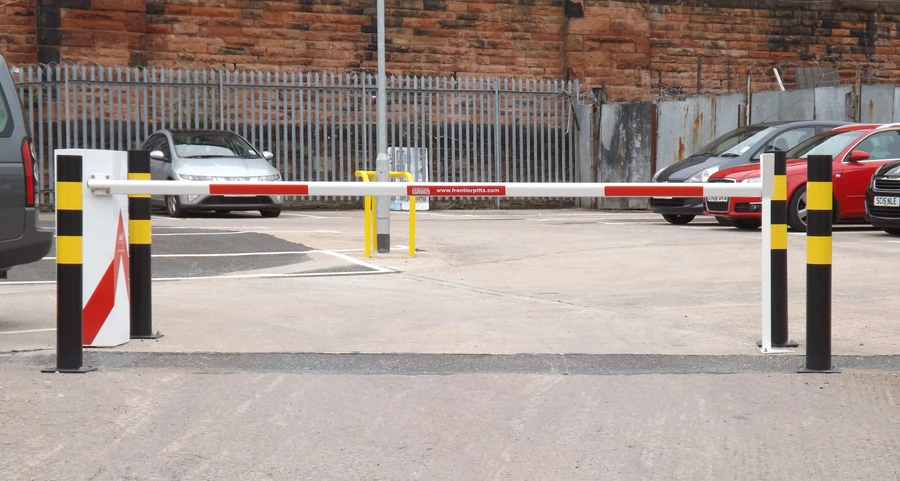
Security barriers help safeguard sports venues by controlling vehicle access, protecting pedestrian areas and securing key entry points. HVM barriers can form part of a wider perimeter security strategy for stadiums, arenas and major sporting events, helping venue operators maintain controlled access while supporting safe movement around busy public spaces.
When it comes to global sports venues, safety and security are paramount. These large gatherings of people require robust measures to ensure that everyone can enjoy the event without worry. One of the most effective ways to secure these venues is through the use of barriers. In this article, we’ll explore how barriers safeguard global sports venues and the different types of barriers used.
The Importance of Barriers in Sports Venues
Sports venues attract thousands of spectators, making them potential targets for various threats, from crowd control issues to terrorist attacks. To mitigate these risks, venue planners and security experts use barriers to control access, protect pedestrians, and ensure smooth traffic flow.
Crowd Control
Crowd control is a major concern at sports venues. Barriers help manage large crowds by guiding people through designated entry and exit points, reducing the risk of stampedes or overcrowding. They also help keep unauthorized individuals out of restricted areas, enhancing overall security.
Vehicle Security
Vehicle-borne threats are another significant risk at sports venues. Barriers such as road blockers and crash-rated bollards are used to prevent unauthorized vehicles from accessing the venue. These barriers can stop vehicles in their tracks, protecting both pedestrians and the infrastructure of the venue.
Types of Barriers Used in Sports Venues
Various types of barriers are used to safeguard sports venues. Each type serves a specific purpose and offers unique advantages.
Gate Barriers
Gate barriers, also known as barrier gates, are commonly used at the entrances and exits of sports venues. These barriers control vehicular access, ensuring that only authorized vehicles can enter the premises. Gate barriers can be automated or manually operated, and they are often integrated with security systems for added protection.
Safety Barriers
Safety barriers are used to protect pedestrians and direct foot traffic. These barriers are typically placed around the perimeter of the venue and at key points within the venue to guide spectators. Safety barriers are designed to be strong and durable, capable of withstanding the pressure of large crowds.
Road Barriers
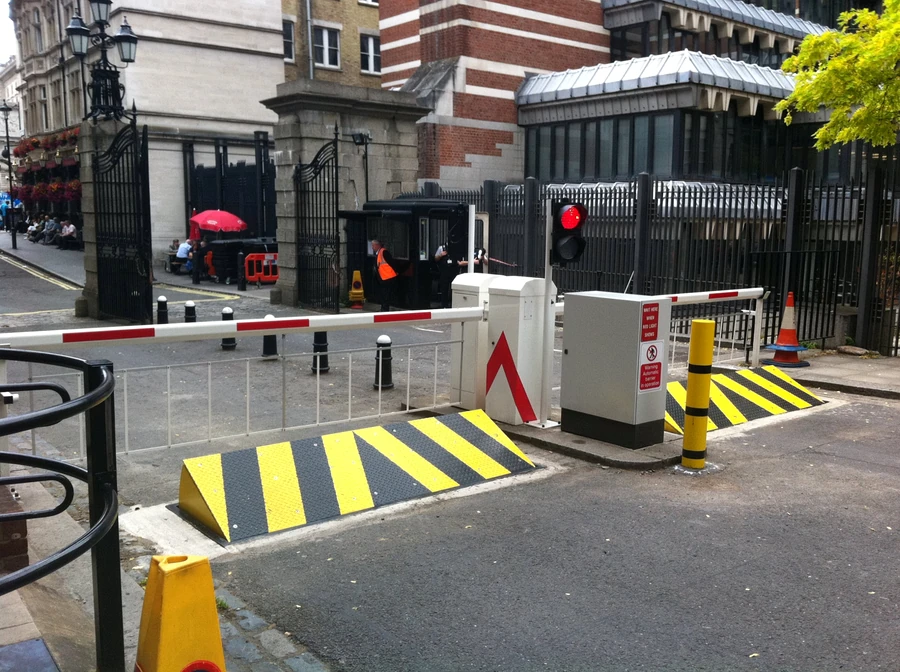
Road barriers are used to control vehicular traffic around sports venues. These barriers can be temporary or permanent, depending on the needs of the venue. Road barriers help manage traffic flow, prevent unauthorized vehicle access, and protect pedestrians from vehicular threats.
Turnstiles
Turnstiles are often used at the entrances of sports venues to control the flow of people. These barriers ensure that only one person can pass through at a time, preventing overcrowding and unauthorized access. Turnstiles can be integrated with ticketing systems for efficient access control.
Bollards
Bollards are short, sturdy posts used to protect pedestrians and infrastructure from vehicle collisions. Crash-rated bollards are designed to stop vehicles in their tracks, making them an effective barrier against vehicular threats. Bollards can be fixed or retractable, allowing for flexible use in different scenarios.
Temporary Barriers
Temporary barriers are often used for specific events or situations. These barriers can be quickly deployed and removed as needed, making them ideal for sports venues that host a variety of events. Temporary barriers are typically used for crowd control, traffic management, and vehicle security.
Implementing Barriers in Sports Venues
When implementing barriers in sports venues, it’s important to consider several factors to ensure their effectiveness.
Site Design
Site design plays a crucial role in the placement and effectiveness of barriers. Urban planners and security experts must carefully analyze the venue’s layout to identify key points where barriers are needed. This includes entry and exit points, pedestrian pathways, and areas prone to overcrowding.
Traffic Flow Patterns
Effective traffic flow patterns are essential for the safe and efficient movement of people and vehicles. Barriers should be strategically placed to guide traffic and prevent bottlenecks. This includes using road barriers to control vehicular traffic and safety barriers to direct foot traffic.

Threat Assessments
Conducting thorough threat assessments is crucial for identifying potential risks and determining the appropriate barriers to use. This includes analyzing the likelihood of vehicle-borne threats, crowd control issues, and other security concerns. Based on the assessment, planners can select the most suitable barriers to mitigate these risks.
Industry Standards
Adhering to industry standards is essential for ensuring the effectiveness of barriers. This includes using crash-rated bollards and other barriers that meet safety and security requirements. Planners should also stay updated on the latest industry developments and best practices to enhance their security measures.
Case Study
Many global sports venues have successfully implemented barriers to enhance security.
Wembley Stadium, London
Wembley Stadium in London uses a combination of gate barriers, safety barriers, and bollards to ensure the safety of spectators. The stadium’s security measures are designed to control access, manage crowds, and protect against vehicular threats.
Madison Square Garden, New York
Madison Square Garden in New York employs road barriers and turnstiles to manage traffic flow and control access. The venue’s security measures are integrated with advanced surveillance systems, providing comprehensive protection for attendees.
Melbourne Cricket Ground, Australia
The Melbourne Cricket Ground in Australia uses temporary barriers for crowd control during major events. These barriers are quickly deployed and removed as needed, ensuring the safety of spectators while maintaining flexibility for different events.
Conclusion
Barriers are an essential component of security measures at global sports venues. They help manage crowds, control access, and protect against vehicular threats, ensuring the safety of spectators and the smooth operation of events. By carefully considering site design, traffic flow patterns, threat assessments, and industry standards, urban planners and security experts can effectively implement barriers to safeguard sports venues.
As you plan your next sports venue, remember the importance of barriers and how they can enhance safety and security. With the right barriers in place, you can create a secure environment where everyone can enjoy the event without worry. To know more about Barriers visit Frontier Pitts Middle East.
5 FAQs
1. How do security barriers protect sports venues?
Security barriers protect sports venues by controlling vehicle access and creating defined boundaries around sensitive areas. They can be positioned at entrances, perimeter roads and pedestrian zones as part of a wider venue security strategy.
2. Where are barriers commonly installed around stadiums?
Barriers are commonly installed at vehicle entrances, service routes, parking access points and areas where vehicles and pedestrians interact. Their location should reflect the venue layout, access requirements and site-specific security risks.
3. What is the role of HVM barriers at sporting events?
HVM barriers are designed to help manage hostile or unauthorized vehicle access to protected areas. At sports venues, they can strengthen perimeter security while allowing authorized access where the selected barrier system and operating configuration permit it.
4. Can security barriers be used without disrupting normal stadium access?
Yes. Different barrier configurations can support controlled access while maintaining the operational needs of the venue. The appropriate solution depends on factors such as vehicle movements, emergency access, event schedules and the required security level.
5. Why is perimeter security important for large sports venues?
Perimeter security is important because sports venues often bring large numbers of pedestrians and vehicles into the same environment. A properly planned combination of barriers, access controls and other physical security measures can help manage movement and protect important access points.
Follow Frontier Pitts Middle East on Google
Add fpgulf.com as a Preferred Source to see more of our latest insights on hostile vehicle mitigation, security bollards, road blockers and high-security access solutions in Google Search.