
The Role of Road Blockers in High-Security Vehicle Access Control
A road blocker system is a heavy-duty vehicle access control barrier used to manage entry points at high-security facilities. It helps protect critical sites by combining strong physical resistance, controlled operation, and integration with access control systems such as ANPR, CCTV, card readers, and guard room controls.
Modern systems are impact-tested to standards such as PAS 68, IWA 14, or the current ISO 22343:2023, and are used at airports, government sites, and critical infrastructure across the UAE and Saudi Arabia.Protecting critical infrastructure requires more than standard perimeter fencing. In environments where vehicle-borne threats pose real risks, high-security access control systems play a decisive role in safeguarding people, assets, and operations.
Road blocker systems are one of the most effective vehicle access control solutions for high-risk sites. They create a strong physical barrier at entry points while still allowing approved vehicles to pass when access is authorised.
At Frontier Pitts Middle East, we support high-security projects across the UAE and the Middle East with road blocker solutions designed for demanding environments where safety, reliability, and compliance matter.
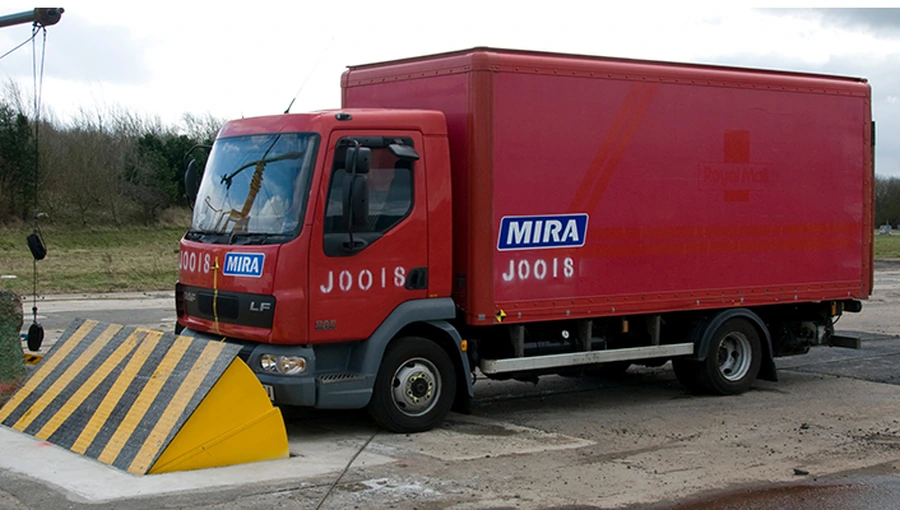
What Is a Road Blocker System?
A road blocker system is a heavy-duty, engineered barrier installed at vehicle entry points to prevent unauthorized or hostile vehicle access. Unlike passive obstacles, these systems are designed to withstand deliberate vehicle impact while allowing controlled entry for authorized traffic.
They are commonly deployed in environments where security cannot rely on surveillance or monitoring alone, including government facilities, energy infrastructure, airports, and high-risk commercial sites.
Road blocker systems are typically integrated into broader access control and security solutions, ensuring that perimeter protection aligns with operational requirements.
ability, and compliance are critical.
Why Road Blockers Are Used in High-Security Sites
Road blockers support three important security goals:
- Control vehicle entry at sensitive access points
- Support organised traffic movement for authorised users
- Strengthen perimeter security as part of a wider access control system
A road blocker system can be operated through hydraulic, electro-mechanical, or manual mechanisms depending on the project requirement. It can also integrate with traffic lights, loop detectors, card readers, ANPR cameras, intercoms, CCTV, and central security platforms.
This makes road blockers suitable for entrances where performance, reliability, and operational flow are key priorities.
Road Blockers and Hostile Vehicle Mitigation
Hostile vehicle mitigation is the process of reducing vehicle-related security risks through site planning, tested barriers, and controlled access points. The UK National Protective Security Authority explains that HVM guidance helps practitioners determine vehicle-borne threats and assess site strengths and vulnerabilities.
For projects requiring hostile vehicle mitigation barriers Saudi Arabia, road blockers can support secure access at government compounds, energy facilities, industrial zones, logistics hubs, and infrastructure projects.
A strong HVM strategy should consider:
- Vehicle approach routes
- Entry lane layout
- Barrier performance rating
- Foundation depth
- Traffic volume
- Safety systems
- Emergency operation
- Maintenance access
This ensures the selected system fits the site, not just the product specification.
What Is a Shallow Road Blocker?
A Shallow Road Blocker is a road blocker designed for sites with limited excavation depth. It is useful when underground utilities, drainage lines, existing slabs, or retrofit conditions make deeper foundations difficult.
Shallow road blockers are often considered for:
- Existing facility upgrades
- Urban entrances
- Retrofit security projects
- Sites with underground services
- Access points with limited foundation depth
- Projects requiring efficient civil preparation
For Middle East projects where site conditions vary widely, a Shallow Road Blocker can help improve vehicle access control while supporting practical installation planning.
Crash-Rated Standards and Performance
For high-security sites, road blocker performance should be verified through recognised testing standards. ISO 22343-1:2023 specifies impact performance requirements and a test method for rating vehicle security barriers used to protect people in public and private locations from vehicle impact attacks. It applies to test methods where vehicle penetration distance does not exceed 25 metres.
ISO 22343-2:2023 gives guidance on the selection, installation, and use of vehicle security barriers and explains the process of producing operational requirements.
ASTM F2656 is another recognised test method used to establish penetration ratings for vehicle perimeter barriers subjected to vehicle impact.
Common standards and references include:
- ISO 22343-1:2023
- ISO 22343-2:2023
- PAS 68
- IWA 14
- ASTM F2656
For consultants and project teams, the key is to confirm the required standard before product selection.
Road Blocker vs Bollards vs Crash-Rated Gates
| Solution | Best Used For | Key Benefit | Common Site Use |
|---|---|---|---|
| Road Blocker | Vehicle checkpoints and entry lanes | Strong lane-based vehicle control | Government, airports, energy sites |
| Shallow Road Blocker | Retrofit or limited-depth locations | Reduced excavation requirement | Existing entrances, urban sites |
| Bollards | Pedestrian areas and building frontages | Flexible perimeter protection | Public areas, walkways, façades |
| Crash-Rated Gates | Wide openings and secure compounds | Controlled access with perimeter closure | Industrial sites, compounds, logistics zones |
Many high-security projects use these systems together. For example, a road blocker may secure the vehicle checkpoint, bollards may protect pedestrian-facing areas, and a crash-rated gate may secure a wider perimeter opening.
Practical Examples
1. Government Facility
A government site may use a road blocker system at the main vehicle entrance, integrated with guard controls, CCTV, and traffic lights. This supports secure access for staff, visitors, and service vehicles.
2. Oil and Gas Facility
An energy site may require controlled vehicle access for contractors, operations teams, and delivery vehicles. A road blocker can support the main checkpoint while working alongside barriers, gates, and access control systems.
3. Data Centre
A data centre may use a road blocker system to manage service vehicle access. Integration with ANPR, card readers, and CCTV helps maintain smooth entry procedures.
4. Retrofit Entrance
An existing facility may need a security upgrade with limited excavation depth. A Shallow Road Blocker can be considered where civil works must align with existing site conditions.
Road Blocker Selection Checklist
Before specifying a road blocker system, review:
- Required crash rating or project standard
- Vehicle lane width
- Available foundation depth
- Underground services
- Drainage requirements
- Daily traffic volume
- Opening and closing speed
- Safety devices
- Power and backup operation
- Access control integration
- Emergency access requirements
- Maintenance access
- Consultant or authority requirements
This checklist helps project teams select a road blocker system based on real site needs and long-term performance.
Why Supplier Expertise Matters
A road blocker supplier should provide more than equipment. High-security projects require technical guidance, product knowledge, installation support, integration coordination, and long-term service planning.
Frontier Pitts Middle East supports clients across the UAE, Saudi Arabia, and the wider Middle East with manufacturer-backed road blocker systems for high-security vehicle access control.
For consultants, contractors, and facility owners, working with an experienced supplier helps align the system with project requirements, site conditions, and operational goals.
Expert Answer: What Is the Best Road Blocker System for High-Security Sites?
The best road blocker system is the one that matches the site’s required crash rating, vehicle lane width, foundation depth, traffic volume, access control integration, and operational needs. For limited-depth projects, a Shallow Road Blocker may be suitable. For critical entrances, certified crash-rated performance should be reviewed before selection.
Clear Next Step
If your project requires secure vehicle access, start with the site layout, traffic flow, foundation condition, and required standard.
Explore Frontier Pitts Middle East road blocker systems or contact our team to discuss the right solution for your site.
Frequently Asked Questions
What is a road blocker system?
A road blocker system is a heavy-duty vehicle barrier installed at an entrance or checkpoint to manage vehicle access and strengthen perimeter security.
What is a Shallow Road Blocker?
A Shallow Road Blocker is designed for entrances where excavation depth is limited. It is commonly considered for retrofit projects, urban sites, and access points with underground services.
Where are road blockers used?
Road blockers are used in airports, government sites, oil and gas facilities, data centres, utilities, embassies, logistics zones, and high-security commercial properties.
Are road blockers suitable for Saudi Arabia projects?
Yes. Road blockers are suitable for many Saudi Arabia projects requiring controlled vehicle access, especially government, infrastructure, energy, logistics, and high-security facilities.
What are hostile vehicle mitigation barriers?
Hostile vehicle mitigation barriers are security products designed to manage vehicle-related risks at vulnerable access points. They include road blockers, bollards, crash-rated gates, and barriers.
Can road blockers integrate with access control systems?
Yes. Road blockers can integrate with ANPR, card readers, intercoms, traffic lights, CCTV, loop detectors, and guard room controls.
What standards apply to road blockers?
Common standards include ISO 22343-1, ISO 22343-2, PAS 68, IWA 14, and ASTM F2656. The required standard depends on the project specification.
What is the difference between road blockers and bollards?
Road blockers are typically installed across vehicle lanes for access control. Bollards are commonly used for pedestrian areas, building frontages, and perimeter lines.
How do I choose the right road blocker system?
Review the crash rating, lane width, foundation depth, traffic volume, access control requirements, safety devices, and maintenance access before selecting a system.
Why choose Frontier Pitts Middle East?
Frontier Pitts Middle East provides manufacturer-backed road blocker systems, technical support, and regional experience across the UAE, Saudi Arabia, and the wider Middle East.
Ready to Secure Your Vehicle Access Points?
Explore our range of road blocker systems below or contact Frontier Pitts Middle East to discuss a solution tailored to your site’s security requirements.
Explore Now! https://fpgulf.com/products-category/road-blocker-suppliers/
Follow Frontier Pitts Middle East on Google
Add fpgulf.com as a Preferred Source to see more of our latest insights on hostile vehicle mitigation, security bollards, road blockers and high-security access solutions in Google Search.